You know the situation. You send a quotation, the customer reads it and replies with one sentence: “It’s expensive.”
At that moment, most business owners do the same thing. They start thinking about how much they should reduce the price. 5%? 10%? Add something for free? But what if the customer is not actually talking about the price?
“It’s expensive” can mean five different things
Imagine you want to buy a car. The salesperson tells you the price and you reply: “That’s quite a lot.” Do you always mean that you want a lower price?
No. Maybe you just need more time. Maybe you are comparing several offers. Maybe you still do not know what makes this offer better than the others. And maybe you have not even decided on your budget yet. The exact same thing applies to business offers.
1. The customer does not understand the value
If a customer only sees the final amount, they will naturally compare it with competitors. However, when they understand what they are getting for that price, they stop comparing only the price.
Ask yourself: Does my offer explain why it costs exactly this much? If not, the problem may not be the price itself, but the fact that the customer does not see its value.
2. They compare only the final amount
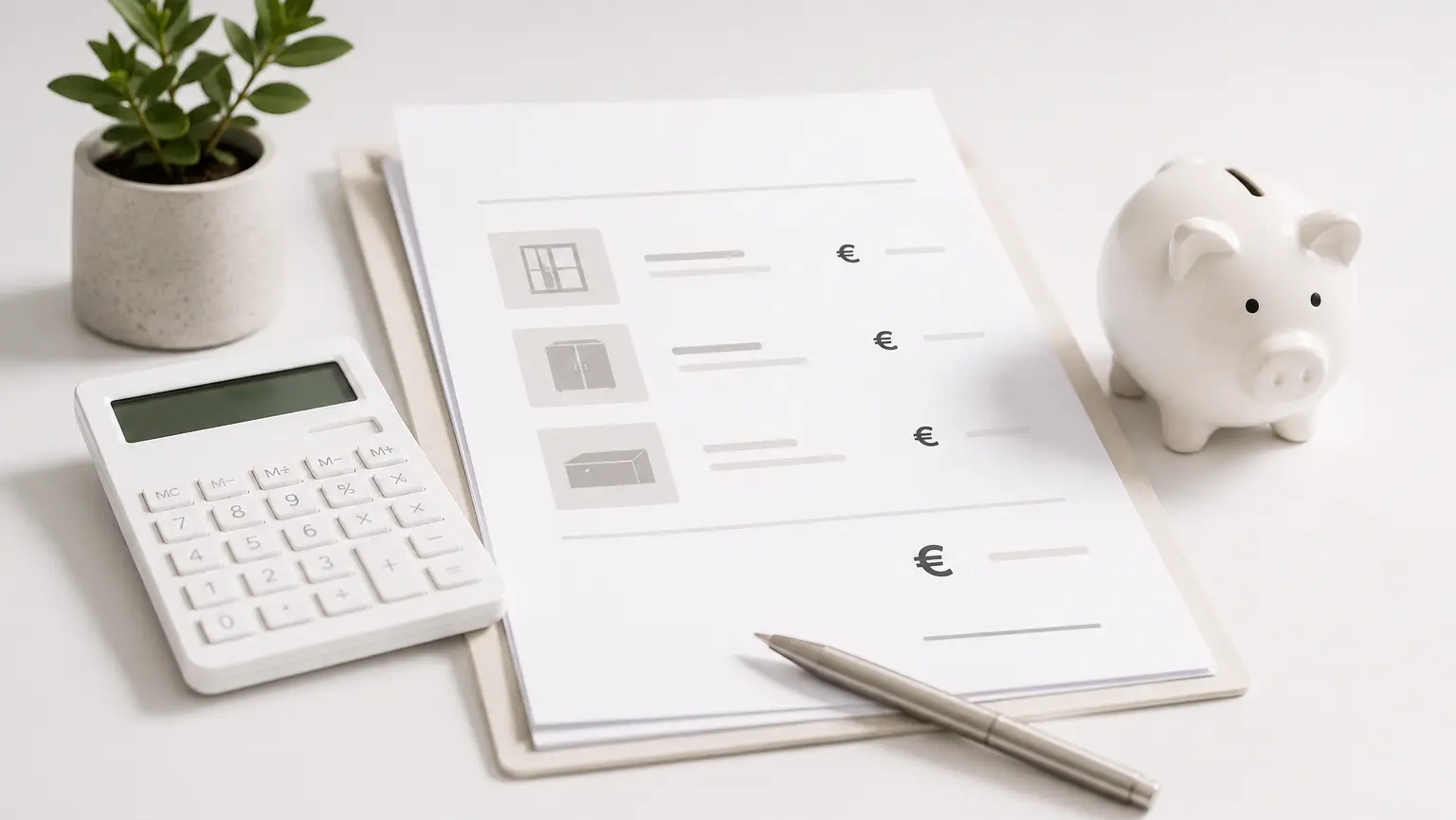
Many customers open three offers next to each other and look only at the final line. If one offer contains a detailed breakdown of the work and another only contains one sentence, the cheaper one may appear to be a better deal, even if it actually is not.
That is why it is worth breaking down individual items. The customer will better understand what they are paying for and will not compare only the number at the end of the document.
3. They are not ready to make a decision yet
Sometimes the phrase “It’s expensive” is simply a way to postpone a decision. Not because the price is too high, but because the customer does not yet have all the information or is dealing with completely different priorities.
If you immediately start lowering the price, you may be solving a problem that does not even exist.
4. They are testing negotiation
Some customers simply try. Just like someone in a shop asks whether there is any possibility of getting a better price. That does not mean your offer is expensive.
If your price is calculated correctly, you do not have to change it after the first objection. First find out what the customer actually means.
5. They do not see the difference between you and competitors
If a customer receives three similar offers, they can easily start comparing only prices. If it is not clear from your offer what makes you different, the amount becomes the only decision-making factor.
That is why it is worth including references, photos of completed projects, a more detailed description of the solution, or additional services. Often these details are what convince customers to stop looking for the cheapest offer and start looking for the best one.
What to answer instead of immediately offering a discount
When a customer writes “It’s expensive,” do not immediately defend your price or offer a discount. A much better approach is to ask a question. For example:
Thank you for your feedback. May I ask what specifically seems expensive about the offer?
Or:
Are you comparing our offer with another one, or did you have a different budget in mind?
These questions often reveal the real problem. Only then does it make sense to look for a solution.
When does a discount make sense?
A discount itself is not a bad thing. However, it should not be your first reaction. If a customer needs a lower budget, it is often better to adjust the scope of work rather than reduce your margin.
Instead of giving a general discount, you can suggest different materials, divide the project into stages, or adjust the scope of delivery. The customer pays less and you do not unnecessarily lose profit.
A good offer sells before the phone call
The better prepared your offer is, the fewer questions the customer needs to ask. Clear items, photos of completed projects, a clear description, delivery dates, or references often remove objections before they even appear.
Not because the offer is cheaper. But because the customer better understands what they are buying.
The biggest mistake
The biggest mistake is not having a higher price. The biggest mistake is lowering it before finding out why the customer said: “It’s expensive.”
Because if you reduce the price without knowing the real reason, you may lose part of your profit completely unnecessarily. And even worse, the customer may not have wanted a discount at all. They may have only wanted more information or reassurance that they made the right choice.
How Accepio helps with this
With a traditional PDF offer, the customer has to reply by email or phone. If they have a question or want something adjusted, they often think they will deal with it later. And that is exactly when the sales process unnecessarily stops.
An interactive offer in Accepio works differently. The customer sees all items, images, and important information in one place. If they need something added or changed, they can write directly through the built-in chat. They do not need to search for an old email or explain which offer they are referring to.
And when they are ready to decide, they do not need to send an email saying “We agree.” They simply approve the offer with one click. The result is less unnecessary communication, fewer misunderstandings, and faster progress of the sales opportunity.
Summary
“It’s expensive” does not necessarily mean the problem is the price. Before offering a discount, find out what the customer is actually dealing with.
A good offer does not sell only through price, but also through clearly explaining its value. The easier you make it for customers to respond to an offer, the easier it is to move the deal forward.
AI-generated